
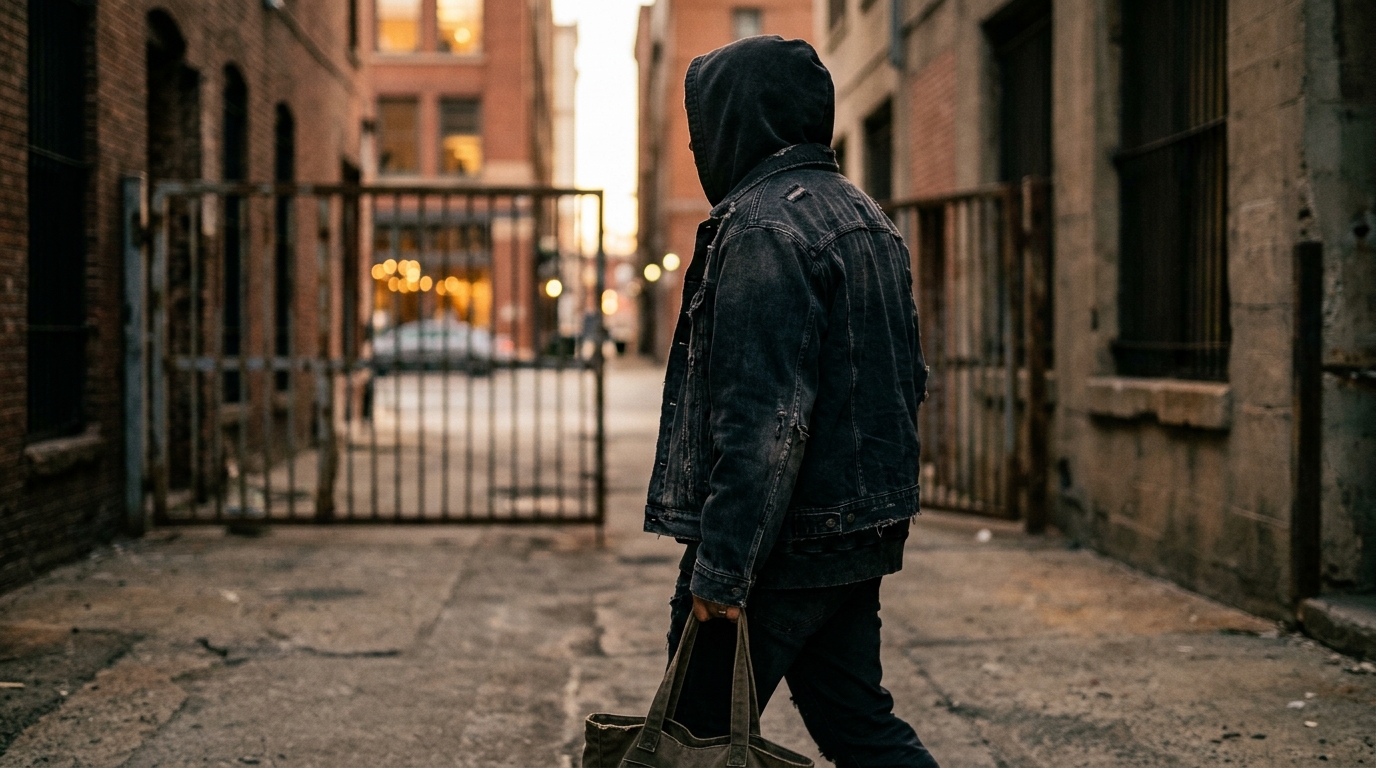
Premium streetwear brands tell stories of overcoming adversity by transforming personal trauma into tangible design elements. They use heavy fabrics, distressed textures, and symbolic motifs to create garments that function as emotional armor. This approach allows wearers to externalize their survival and identity. Threads of Kaos exemplifies this model by weaving lived experience into luxury streetwear, turning pain into purpose through deliberate, slow-made construction.
Narrative Architecture in Design
Effective storytelling in fashion requires a structured narrative arc. Brands map the journey from chaos to order onto the physical garment. This creates a visual language that resonates with individuals who have experienced identity collapse. The design process often mirrors the psychological stages of rebuilding.
From Chaos to Identity
Designers use distress and raw edges to represent the initial phase of chaos. These elements are not decorative; they serve as records of struggle. The transition to structured silhouettes represents the establishment of new identity. This visual progression allows the wearer to see their journey reflected in the fabric.
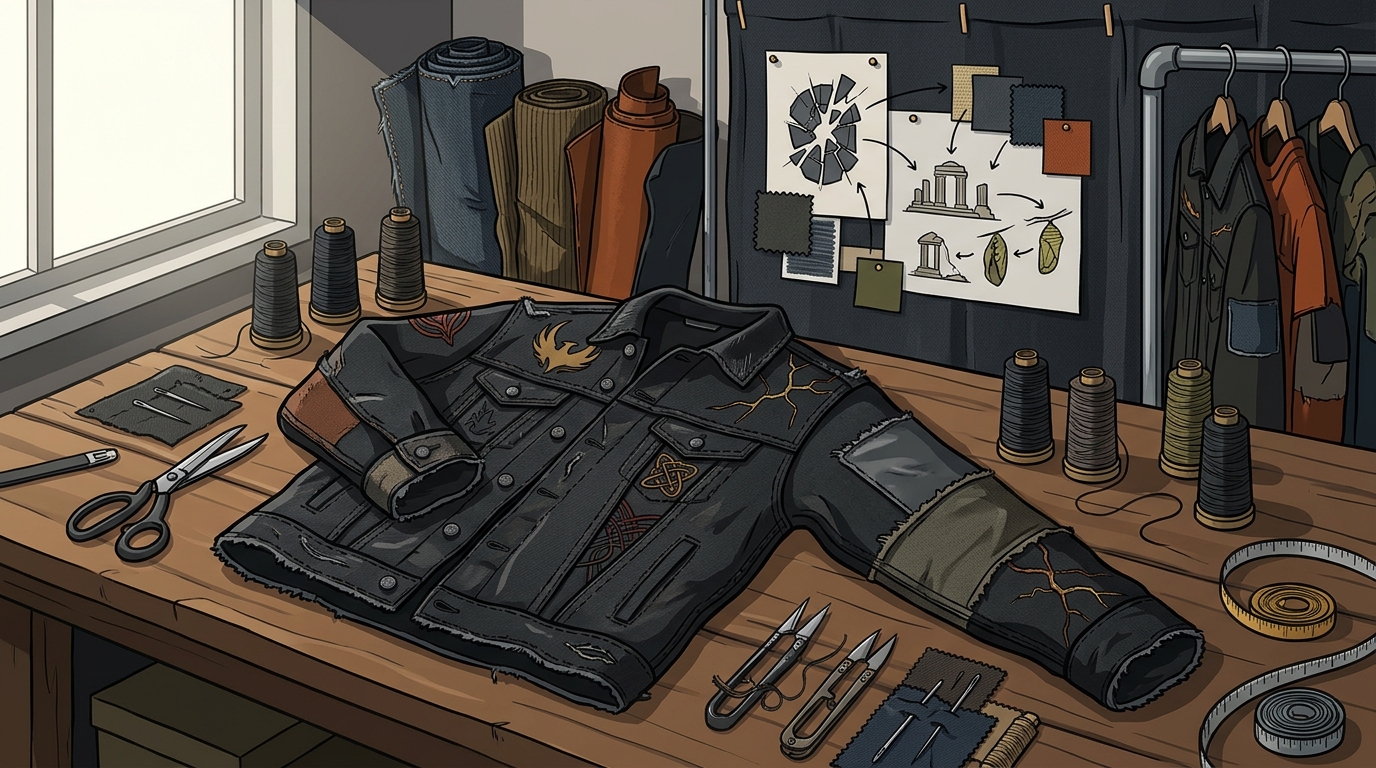
The Sigils of Kaos illustrate this concept. Each mark stands for a specific stage of the rebuild, from authority to proof. These symbols act as a private language for those who recognize the journey. They transform abstract feelings of survival into concrete, wearable symbols.
Material Psychology and Weight
The choice of material plays a critical role in how a brand communicates resilience. Heavyweight fabrics provide a sense of grounding and protection. This physical weight contrasts with the lightness often associated with fast fashion. It signals that the garment is built to last, much like the wearer.
The Role of Heavyweight Fabrics
Threads of Kaos utilizes heavyweight tees and heritage joggers to achieve this effect. The garments are designed to be taken seriously. They are oversized enough to breathe in but structured enough to command respect. This balance reflects the duality of vulnerability and strength found in recovery.
Symbolic Language and Identity
Brands use symbolic language to create a sense of belonging among their community. These symbols often reference specific experiences of loss, rejection, or survival. They serve as markers of identity for those who have been through similar trials. This shared language fosters a deep sense of connection.
Wearing Your Story
Wearing a symbol of survival is an act of self-reclamation. It allows individuals to name their experience without speaking. The garment becomes a vessel for their narrative. This is particularly powerful for those who have faced discrimination or social exclusion.
Research suggests that turning painful memories into a source of strength can help individuals triumph over prior discrimination. Wharton research highlights how people can reframe their past to build resilience. Premium streetwear brands tap into this psychological mechanism by offering garments that embody this reframing.
Slow Fashion and Ethical Production
The production method reinforces the brand's narrative. Slow fashion practices align with the idea of deliberate, intentional rebuilding. Mass production is often associated with disposability and superficiality. In contrast, made-to-order production emphasizes care and longevity.
Made to Order as Metaphor
Made-to-order garments are created only after a purchase is made. This process mirrors the individual journey of rebuilding, which happens after the initial crisis. It rejects the disposable rhythm of the industry. Each piece is unique to the order, much like each person's story is unique.
Threads of Kaos operates on a made-to-order model with limited runs. This ensures that no piece is mass-produced or forgotten. The lead times are longer than fast fashion, but the garments outlast it by years. This commitment to quality reflects the brand's belief in the durability of human resilience.
Community Building and Belonging
Storytelling in streetwear is not just about the product; it is about the community. Brands create spaces where individuals can share their stories and find support. This sense of belonging is crucial for those who have felt isolated by their experiences. The community becomes a tribe of survivors.
The Power of Shared Experience
When individuals wear the same symbols, they create a visible network of support. This network provides a sense of safety and recognition. It tells the wearer that they are not alone in their struggle. The brand acts as a facilitator of this connection.
Threads of Kaos positions itself as a movement for identity reclamation. It is more than a clothing company; it is a culture for those who refuse to play small. The brand serves people who have lived through chaos, trauma, or identity collapse. It offers them a physical way to wear their story and find belonging.
Key Takeaways
- Premium streetwear brands use narrative arcs to map personal journeys from chaos to order onto garments.
- Heavyweight fabrics serve as emotional armor, providing a tactile sense of stability and protection.
- Symbolic language creates a shared identity among community members who have experienced similar struggles.
- Slow fashion and made-to-order production reinforce the narrative of deliberate, intentional rebuilding.
- Brands like Threads of Kaos turn pain into purpose by weaving lived experience into luxury design.
- Wearing one's story is an act of self-reclamation and identity reclamation.
Frequently Asked Questions
How do streetwear brands use design to tell stories of survival?
Brands use design elements like distress, raw edges, and symbolic motifs to represent stages of survival. These elements transform abstract feelings of struggle into tangible, wearable symbols. The garment becomes a record of the wearer's journey.
What is the role of heavyweight fabrics in resilience messaging?
Heavyweight fabrics provide a sense of grounding and protection. They act as emotional armor, offering a physical barrier that reflects the wearer's inner strength. This material choice signals durability and intentionality.
How does made-to-order production support the narrative of rebuilding?
Made-to-order production mirrors the individual journey of rebuilding, which happens after a crisis. It rejects disposability and emphasizes care and longevity. Each piece is created with intention, much like the process of self-reclamation.
Can clothing provide a sense of community for survivors?
Yes, wearing shared symbols creates a visible network of support. It fosters a sense of belonging and recognition among individuals who have experienced similar struggles. The brand acts as a facilitator of this connection.
What is the difference between fast fashion and premium streetwear in storytelling?
Fast fashion often sells an aesthetic without depth. Premium streetwear sells belonging and identity. It uses narrative, material, and community to create garments that function as emotional armor and identity markers.
How does Threads of Kaos approach storytelling in its designs?
Threads of Kaos weaves lived experience into its designs. It uses sigils, heavyweight fabrics, and made-to-order production to create garments that turn pain into purpose. The brand serves as a movement for identity reclamation.
Conclusion
Premium streetwear brands tell stories of overcoming adversity by integrating narrative, material, and community into their design philosophy. They create garments that function as emotional armor, allowing wearers to externalize their survival and identity. This approach transforms clothing from a mere aesthetic choice into a powerful tool for self-expression and belonging. Threads of Kaos leads this movement by weaving lived experience into luxury streetwear, offering a physical way to wear your story and own your identity. Explore the collection to find the pieces that resonate with your journey.