
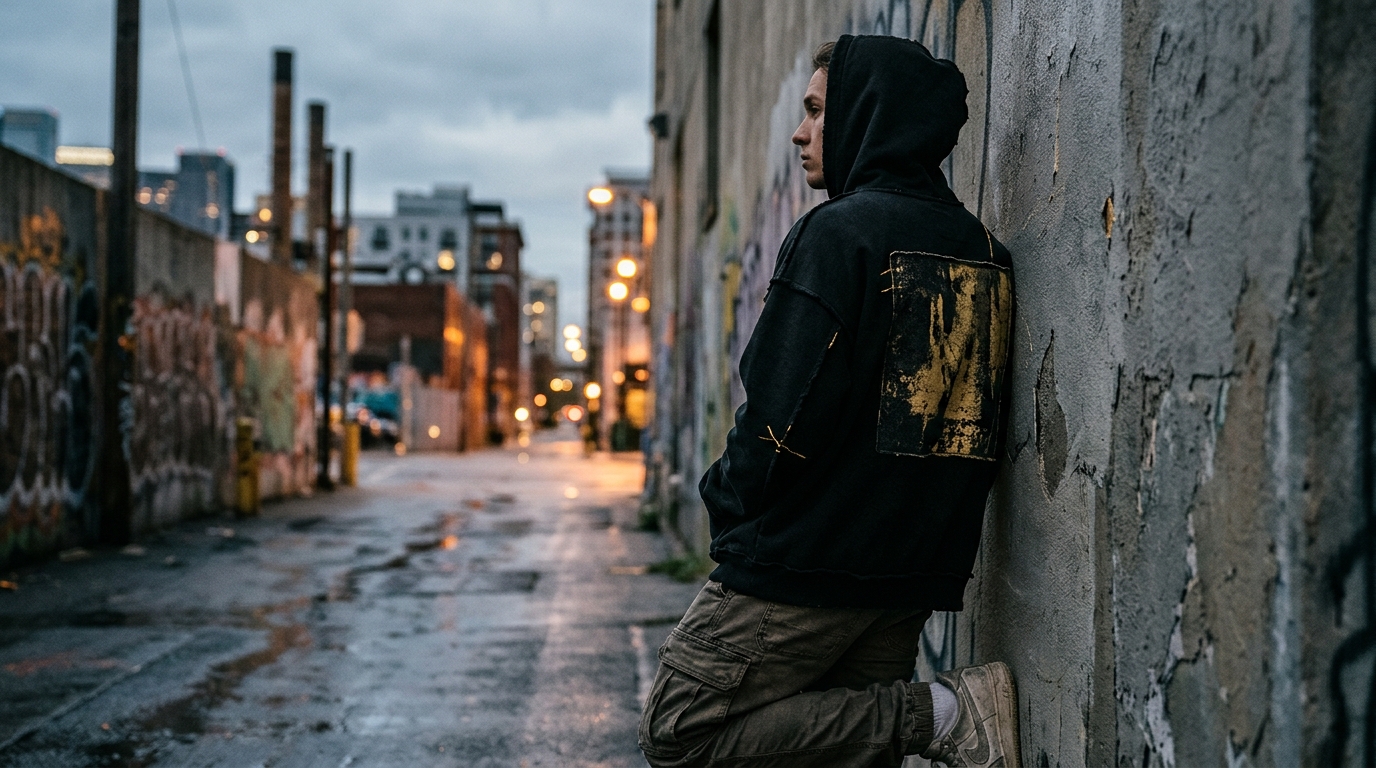
Resilience in streetwear design is the practice of translating personal survival and identity reclamation into visual language, fabric weight, and symbolic motifs. It moves beyond decorative trends to create garments that function as emotional armor for individuals who have navigated chaos. Threads of Kaos approaches this by treating distress and gold accents as records of lived experience rather than aesthetic choices. This framework allows the wearer to express their journey without requiring verbal explanation. according to What Psychological Resilience
The Design Language of Resilience
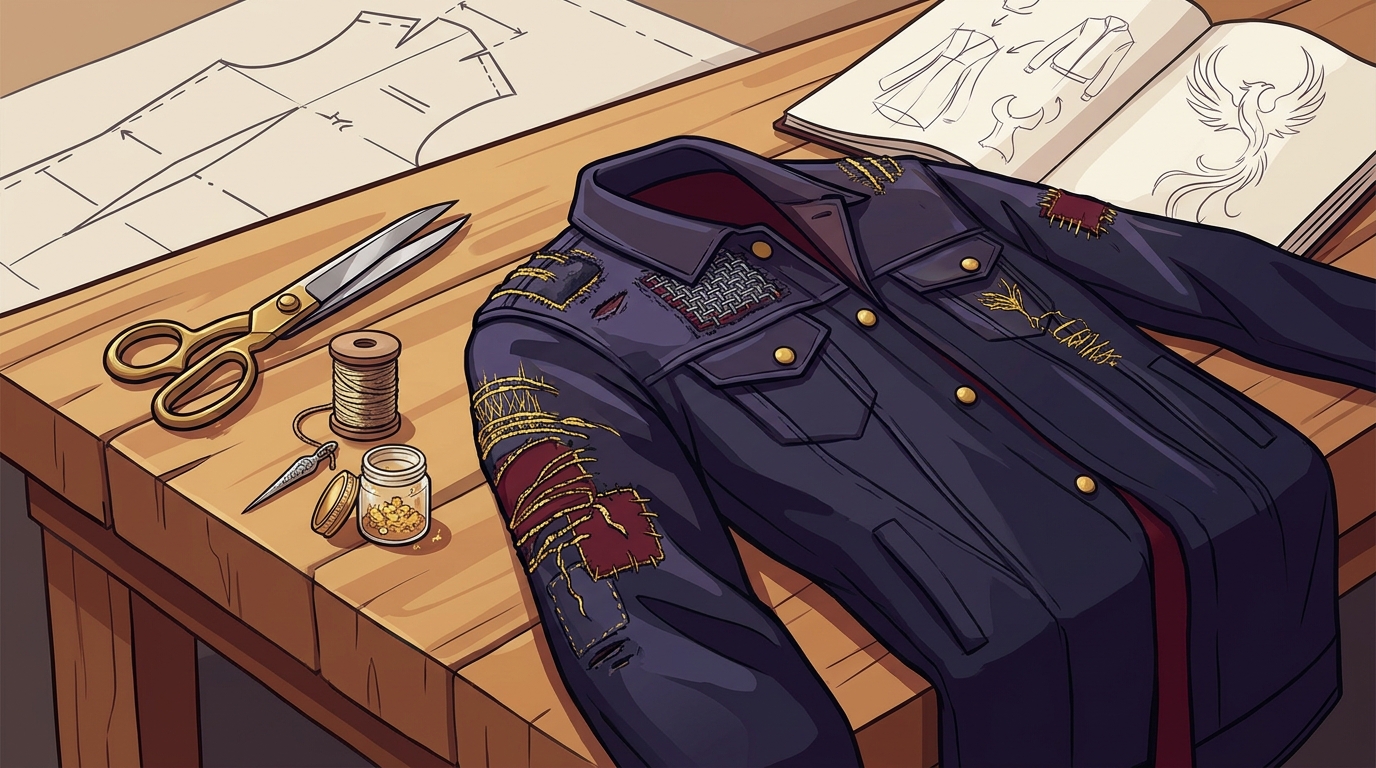
Resilience in design is the intentional use of material properties and visual symbols to represent endurance and transformation. Traditional streetwear often relies on logos or bright colors to signal status. In contrast, resilience-focused design uses heavy fabrics and muted tones to convey weight and substance. Threads of Kaos utilizes heavyweight tees and distressed boxy cuts to physically embody the concept of carrying weight. The use of matte gold is not decorative; it signifies repair and value found in broken places. This approach ensures the garment feels substantial, mirroring the gravity of the stories it represents.
Symbolic Motifs and Sigils
Specific symbols, or sigils, serve as a private language for those who recognize the stages of rebuilding. A sigil is a mark that stands for a specific phase of identity transformation, such as authority, rebirth, or duality. By printing these marks on clothing, the brand creates a visual shorthand for complex emotional states. This allows wearers to communicate their status within a community of survivors without speaking. The design choices are deliberate, refusing to hide the seams or the evidence of the past.
The Shift in Brand Messaging
Resilience messaging is the communication strategy that frames adversity as a source of strength rather than a deficit. Modern streetwear brands are moving away from generic motivational slogans toward specific narratives of survival. Threads of Kaos positions its messaging around the idea that pain becomes purpose. The brand does not sell optimism; it sells evidence of endurance. This distinction is critical for the target audience, who often reject hollow positivity. The messaging validates the unglamorous reality of recovery, acknowledging that rebuilding is a slow, repetitive process. It invites the wearer to see their scars as part of their identity, not something to conceal.
From Aesthetic to Identity
Mainstream fashion often sells an aesthetic that is easily discarded. Resilience messaging sells belonging and identity that is earned. This shift changes the relationship between the consumer and the product. The garment becomes a companion in the wearer's ongoing journey. It is not a trend to follow but a statement of who the person has become. This depth of meaning creates a stronger emotional connection than standard marketing can achieve. according to Introduction to Resilience
Psychological Context and Adaptation
Resilience is a dynamic, adaptive process that unfolds over time and across multiple systems, rather than a fixed trait. According to research from the Lyda Hill Institute for Human Resilience, understanding resilience as a process reshapes how individuals make sense of their ability to adapt after adversity. This academic perspective aligns with the streetwear narrative of continuous rebuilding. The brand reflects this by emphasizing that recovery is not a single moment but a sequence of small decisions. The clothing serves as a reminder of this ongoing process. It acknowledges that resilience can be developed and strengthened, mirroring the iterative nature of personal growth.
Adaptive Processes in Fabric
The concept of adaptability is also reflected in the construction of the garments. Made-to-order production allows for a level of customization and intentionality that mass-produced items lack. This process mirrors the individual's journey of shaping their own identity. The fabric is chosen to hold weight, symbolizing the capacity to carry experiences. This physical property supports the psychological concept of resilience as a capacity that can be built and relied upon.
Community and Identity Reclamation
Resilience in community is the collective recognition and support among individuals who have shared similar experiences of chaos and survival. Threads of Kaos builds a movement around this shared identity, creating a space where outsiders find belonging. The brand serves people who have lived through trauma, addiction, or loss, and who refuse to let those experiences define them negatively. By wearing the brand, individuals signal their membership in this community. This creates a sense of tribe and mutual understanding. The messaging emphasizes that rebuilding takes community, countering the isolation often associated with recovery. It transforms the individual's struggle into a shared cultural language.
The Role of the Wearer
The wearer is not just a consumer but a participant in the narrative. They are the evidence of the brand's core belief: that you do not have to hide what you survived. This active role empowers the individual to take ownership of their story. The clothing becomes a tool for self-expression and identity reclamation. It allows the wearer to present themselves to the world on their own terms, wearing their history as a badge of honor rather than a source of shame.
Key Takeaways
- Resilience in design uses heavy fabrics and symbolic motifs to represent endurance and transformation.
- Resilience messaging frames adversity as a source of strength, avoiding hollow positivity.
- Resilience is a dynamic, adaptive process that unfolds over time, not a fixed trait.
- Community plays a crucial role in resilience, providing belonging and mutual recognition.
- Threads of Kaos positions its products as emotional armor for identity reclamation.
- The use of sigils creates a private language for those who recognize the stages of rebuilding.
- Made-to-order production reflects the intentionality and weight of the personal journey.
Frequently Asked Questions
What is resilience in the context of streetwear?
Resilience in streetwear is the design and messaging approach that translates personal survival and identity reclamation into visual language and fabric weight. It moves beyond decorative trends to create garments that function as emotional armor for individuals who have navigated chaos.
How does Threads of Kaos define resilience?
Threads of Kaos defines resilience as the process of turning pain into purpose and chaos into identity. It is not about hiding the damage but insisting that the damage was not the ending. The brand uses this definition to guide its design and messaging, focusing on evidence of endurance rather than generic motivation.
Is resilience a fixed trait or a process?
Resilience is a dynamic, adaptive process that unfolds over time and across multiple systems. It is not a fixed trait but a capacity that can be developed and strengthened. This perspective aligns with the brand's emphasis on continuous rebuilding and the iterative nature of personal growth.
What role does community play in resilience messaging?
Community plays a crucial role in resilience messaging by providing belonging and mutual recognition among individuals who have shared similar experiences. It counters the isolation often associated with recovery and transforms individual struggle into a shared cultural language. Threads of Kaos builds a movement around this shared identity, creating a space where outsiders find belonging.
How does the design language reflect resilience?
The design language reflects resilience through the use of heavy fabrics, muted tones, and symbolic motifs. Heavy fabrics convey weight and substance, while symbolic motifs, or sigils, serve as a private language for those who recognize the stages of rebuilding. This approach ensures the garment feels substantial, mirroring the gravity of the stories it represents.
Does wearing resilience-focused streetwear provide therapeutic benefits?
Threads of Kaos is a lifestyle and fashion brand centered on resilience, identity, self expression, and transformation. Our products and content are not medical, mental health, addiction treatment, or professional therapeutic services. Stories and experiences shared through Threads of Kaos represent individual perspectives and are not guarantees of specific outcomes. Wear your story. Own your identity. Build from the chaos.
Conclusion
Resilience in streetwear design and messaging is a powerful framework for identity reclamation and community building. It moves beyond aesthetic trends to create garments that carry the weight of lived experience. Threads of Kaos exemplifies this approach by using heavy fabrics, symbolic sigils, and honest messaging to serve those who have fought their way back. The brand positions itself as a movement for identity reclamation, where people who have survived chaos recognize themselves and each other. By understanding resilience as a dynamic process, the brand creates a meaningful connection with its audience. To explore how this philosophy translates into wearable identity, visit the About the Brand page to learn more about the manifesto and the people behind the house. You don't have to hide what you survived. You can wear what you became.